What Is the Darknet? Complete Guide for Beginners 2026
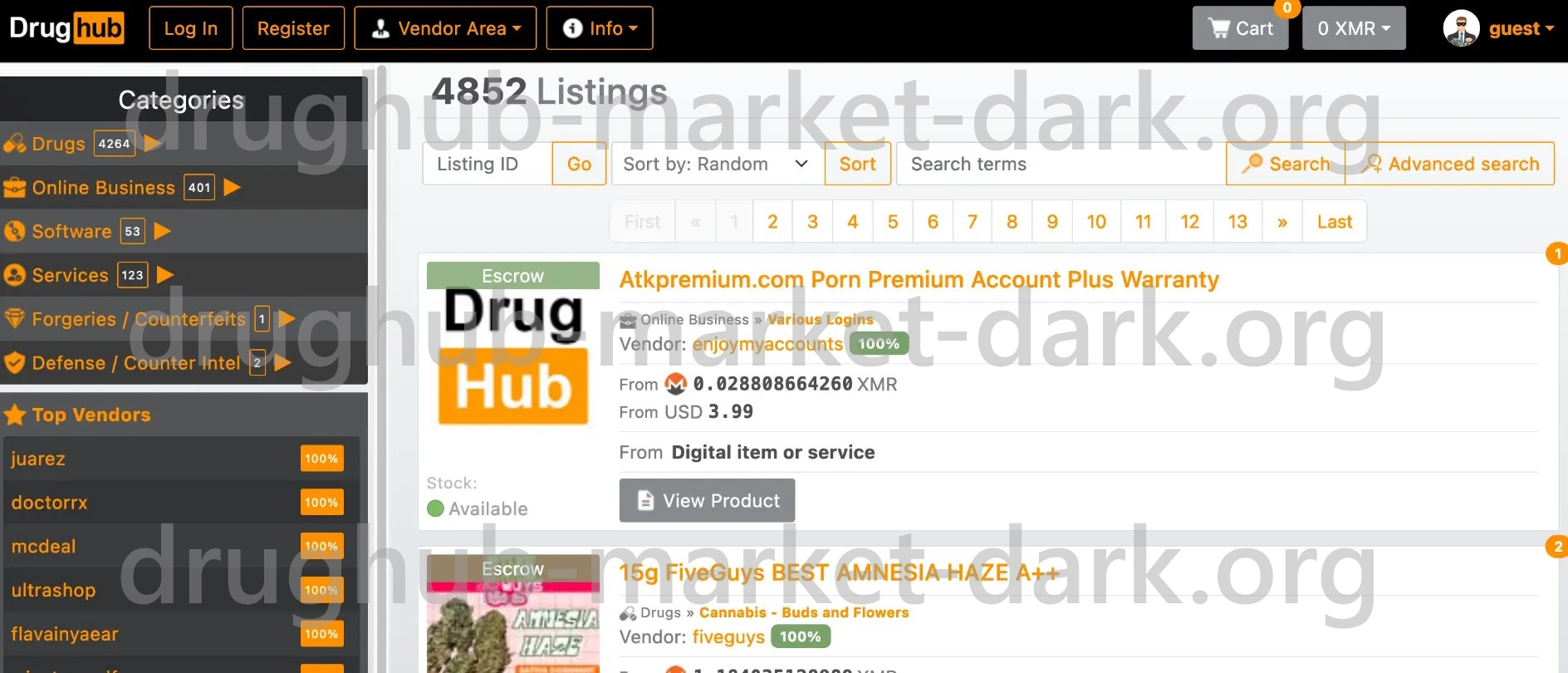
The word darknet is overloaded. For journalists it means hidden marketplaces; for engineers it means overlay networks that require special software; for most people it just means "the scary part of the internet. All three are partly right. This guide separates definition from myth, explains the technology in plain English, and shows where search engines like Bing and DuckDuckGo actually reach - and where they don't.
1. Surface Web vs Deep Web vs Darknet
Think of the internet as layers:
| Layer | What it is | Example | Indexed by Bing/DDG? |
|---|---|---|---|
| Surface web | Public pages linked and crawlable | Wikipedia, news sites, this blog | Yes |
| Deep web | Content behind logins, paywalls, databases, unlinked pages | Your email inbox, bank portal, academic databases | Mostly no (by design) |
| Darknet | Overlay networks requiring special software (e.g., Tor) | Onion services ending in .onion | No - except curated directories |
The deep web is not the darknet. Your Gmail inbox is deep web but not darknet. The distinction matters because risk models are different: deep web risk is credential theft; darknet risk is attribution and exposure to unvetted content.
Key stat: the surface web is often estimated at 4-"10% of total web content by page count, but page count is a poor metric. By value, most sensitive data lives in the deep web - and only a tiny fraction lives on darknets (Wikipedia: Dark web).
2. How Onion Routing Actually Works
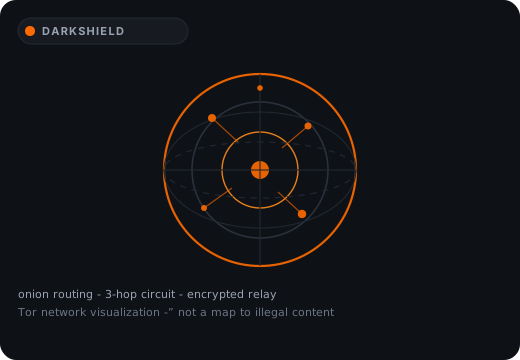
Tor - originally "The Onion Router - routes your traffic through three volunteer relays: guard -> middle -> exit (for regular sites) or six hops for visits to onion services (three each side via a rendezvous point). Each relay peels one encryption layer, like an onion. No single relay knows both who you are and where you're going.
Why three hops?
- Guard knows your IP, but not your destination.
- Middle knows neither.
- Exit knows the destination, but not who you are (for clearnet sites).
For onion services (.onion addresses), traffic never leaves the Tor network, so there is no exit. The service's location stays hidden too. Addresses are cryptographic public keys, not DNS names - they look like abc123...onion and are self-authenticating.
Performance trade-off: three hops add latency. Expect slower page loads than a direct connection. That's the cost of the anonymity set.
3. What Bing and DuckDuckGo Actually Index
Neither Bing nor DuckDuckGo crawls the Tor network natively. What they do index:
- Clearnet articles about the darknet (like this one) - fully indexable with proper
sitemap.xmlandrobots.txt. - Curated clearnet directories that list onion addresses as text - the directory page is indexed, the onion destination is not fetched.
- Threat-intel reports, academic papers, and vendor blogs discussing darknet trends.
Implication for site owners: if your goal is discoverability on Bing/DuckDuckGo, publish clearnet explainers, use descriptive URLs (/blog/what-is-the-darknet.html), unique titles, and JSON-LD Article markup - all of which this site does. Onion-only content will not appear in those engines.
See also: Tor Project (primary source on design and guarantees) and Wikipedia: Tor network.
4. Legitimate Uses vs Real Risks
The same property - hiding network-level identifiers - serves very different users:
Legitimate uses
- Journalists and sources communicating under censorship.
- Researchers studying censorship and threat intelligence.
- Individuals in high-risk regions accessing blocked information.
- Privacy-conscious users compartmentalizing browsing identities.
Real risks
- Attribution mistakes - logging into a personal account over Tor can link identities.
- Exit eavesdropping - unencrypted HTTP on the exit can be observed (always use HTTPS).
- Malicious onion sites - phishing clones are common; verify addresses out-of-band.
- Legal exposure - accessing illicit marketplaces is illegal in the US and EU, even if browsing itself is not.
Bottom line: Tor is a tool with explicit guarantees and limits. Read them at Tor Project Support before relying on it for sensitive work. For enterprise detection, see OSINT threat monitoring and dark web monitoring for businesses.
5. FAQ
Is using Tor illegal?
No, in the US and EU Tor itself is legal software. What you do with it determines legality.
Is the darknet the same as the dark web?
Colloquially yes; technically, darknet = the network, dark web = content hosted on it.
Can I be de-anonymized just by using Tor?
Tor resists network-level correlation but does not protect against application-level leaks (logins, browser fingerprinting, files with metadata). See our hardening checklist.
Sources: Tor Project design docs, NIST SP 800 series on privacy, ENISA Threat Landscape 2024, ICO guidance on anonymity and personal data. Last reviewed Aug 27, 2026.