OSINT Threat Monitoring: Dark Web Tools & Workflow 2026

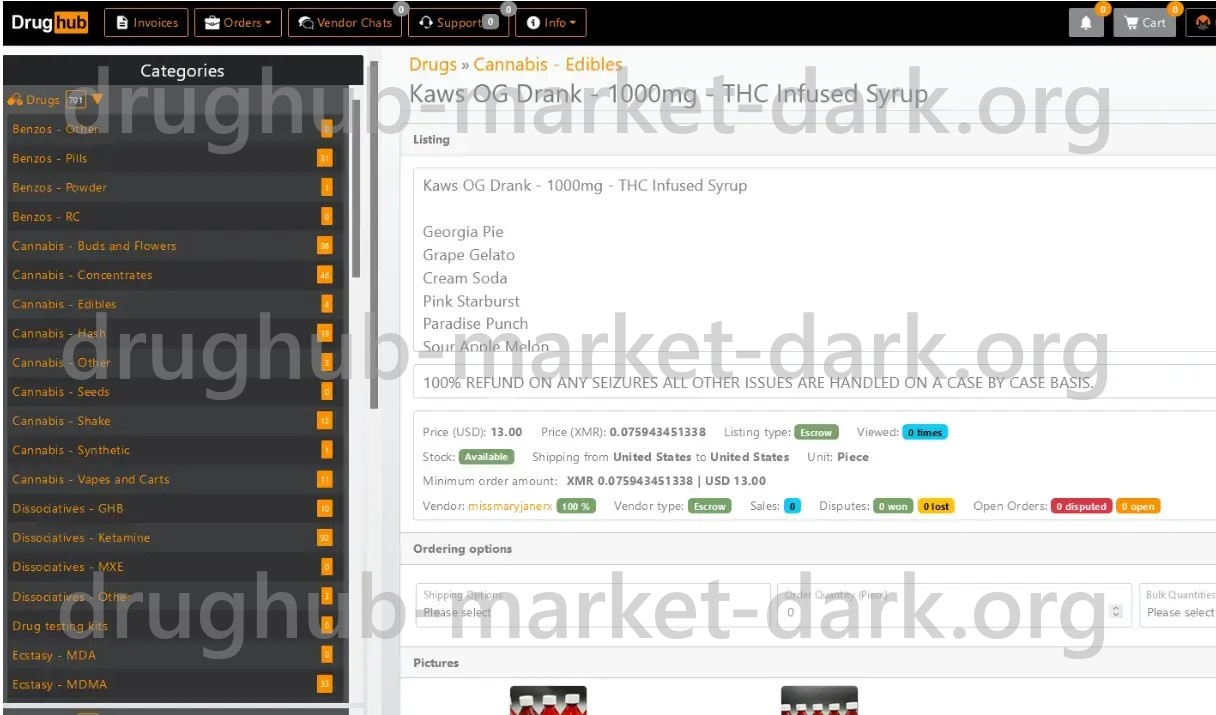
Open-source intelligence (OSINT) is collection from publicly available sources: breach databases, paste sites, certificate logs, and clearnet discussions about the dark web. Used correctly, it lets you detect exposures without ever touching illicit marketplaces.
1. What OSINT Monitoring Is (and Isn't)
Is: monitoring public mentions of your domain, brand, or credentials in breach corpora, paste bins, and threat feeds - and alerting before they are abused.
Is not: hacking back, buying stolen data, or browsing criminal forums to "explore. Those actions create legal and ethical liability. Defensive OSINT stays in open sources and respects robots.txt, terms of service, and privacy law.
2. Sources You Can Use Legally
| Category | Examples | Signal |
|---|---|---|
| Breach aggregators | Have I Been Pwned, Dehashed, IntelX | Emails, hashes, credential pairs |
| Paste & dump monitors | GitHub Gist, Pastebin alerts, Telegram public channels | Leaked keys, configs |
| Cert & DNS | Certificate Transparency, DNS history | Phishing domains, typosquats |
| Code & config leaks | GitHub search, Shodan/Censys | Exposed secrets, open buckets |
| Reputation & social | Reddit, X, LinkedIn | Brand abuse, impersonation |
For dark web mentions, use clearnet vendors' APIs that relay vetted metadata without requiring Tor browsing - e.g., HIBP, SpyCloud, or Recorded Future feeds. You get the breach fact without retrieving illicit content.
3. Stack: Free & Paid Building Blocks
Free / low-cost starter (EU/US small teams)
- Alerts: HIBP domain search + Google alerts for
site:pastebin.com yourdomain.com - Exposure: GitHub secret scanning, Shodan free tier for open services
- Automation: A nightly cron that queries APIs and posts to Slack/Teams if
count > 0
Scaled (SOC / MDR)
- SIEM + SOAR enrichment: auto-enrich IOCs with HIBP, VirusTotal, Abuse.ch
- Threat-intel platform (MISP, OpenCTI) for deduplication
- Vendor dark-web feed for verified breach metadata (no raw dumps)
4. Triage Playbook (30-60 minutes)
- Deduplicate - is this a re-paste of an old breach? Check
first_seenvia HIBP. - Verify - do hashes crack to a current password? Force reset only if still valid.
- Scope - how many accounts, which tier (admin vs user), any linked PII?
- Contain - force password reset, revoke tokens, rotate leaked API keys.
- Notify - if GDPR applies, document time to notification (72h to DPA). See after a breach for user-facing steps.
Example automation (pseudo)
GET https://haveibeenpwned.com/api/v3/breachedaccount/user@example.com
Authorization: hibp-api-key X
-> if 200: enrich { breach: Collection#1, date: 2026-06-12 }
-> post to Slack: "New breach for @user - force reset?"
5. Reporting & Ethics
- Never store plaintext passwords from dumps; store only hash presence and counts.
- Cite source and confidence, preserve chain of custody for legal.
- Share IOCs via MISP or ISACs, not public dumps.
- Publish only aggregate stats externally; notify affected individuals directly.
Sources: NIST SP 800-150 (threat intel), ENISA OSINT good practice, Tor Project (what not to do), MISP docs. Vendor links are illustrative, not endorsements.