Dark Web Monitoring for Businesses: Detect Breaches Early

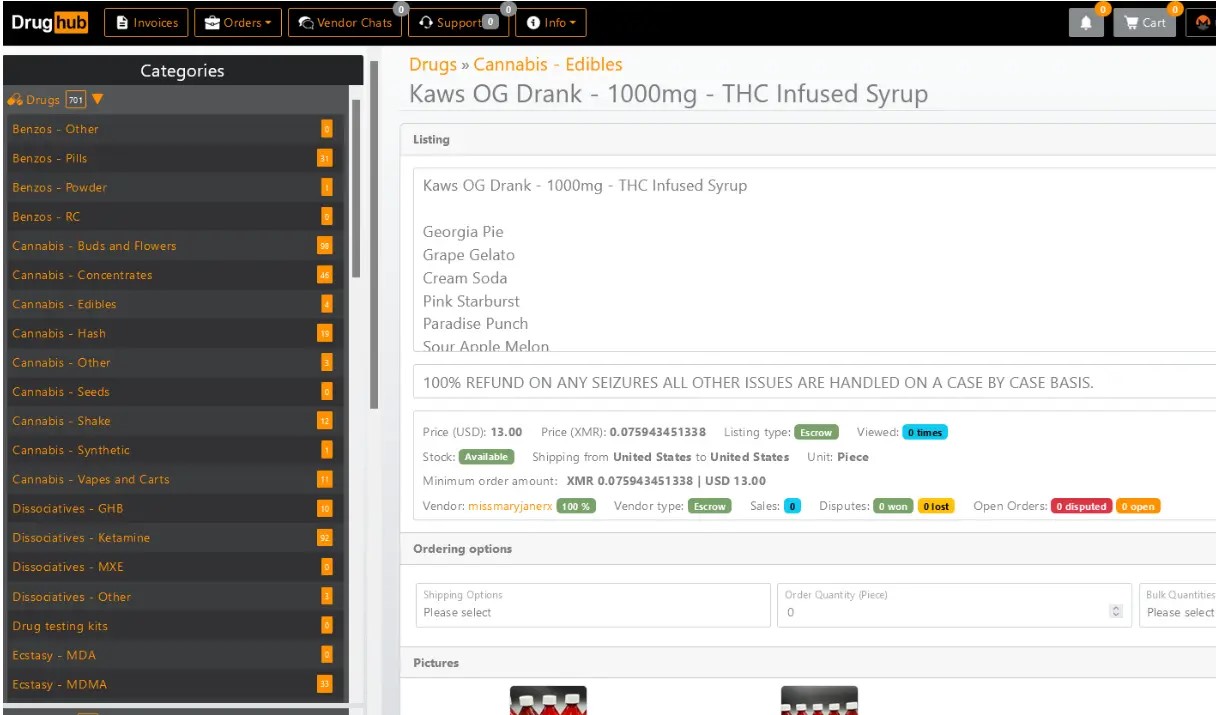
Most breaches are discovered by third parties, not the victim. Dark web monitoring collapses time-to-detect by watching breach corpora and paste sites for your domain, then forcing resets before credential stuffing succeeds.
1. What Monitoring Actually Buys You
- Earlier detection: median 200+ days to detect without monitoring vs hours with alerts (IBM Cost of a Data Breach, Verizon DBIR trends).
- Prioritized response: focus on admin, finance, and engineering accounts first.
- Evidence for audit: timestamped proof of exposure and remediation for regulators.
2. Reference Architecture (Clearnet Only)
| Layer | Function | Example feed |
|---|---|---|
| Collectors | Poll breach APIs, paste alerts, cert logs | HIBP domain, IntelX, certstream |
| Normalizer | Deduplicate by hash, link to asset | MISP / OpenCTI |
| Enricher | Check if password still valid, MFA present? | IdP (Okta/Azure AD) lookup |
| Notifier | Force reset, revoke sessions | SOAR playbook |
| Reporter | KPIs, DPA packet | SIEM dashboard |
No Tor browsing is needed - vetted vendors relay only metadata (breach name, date, fields exposed). Keeping out of Tor reduces legal exposure and keeps analysts away from illicit content. For OSINT depth, see OSINT workflow.
3. SOC Workflow & KPIs
Daily triage (analyst, 15 min)
- New alerts -> verify is not re-paste; check HIBP
AddedDate. - Scope impact -> count of active users, privilege level.
- Force reset + revoke tokens for affected accounts; require MFA re-enrollment if needed.
Weekly review (lead)
- KPIs: MTTD (mean time to detect), MTTR (revoke/reset), % of users with MFA, reused-password rate.
- Trends: which supplier leaks most? Adjust vendor risk scoring.
4. Legal & GDPR Considerations
- Legal basis: Legitimate interest for protecting corporate domain; for personal emails, get consent or let users opt in.
- Data minimization: Store domain + hash presence, not plaintext passwords.
- Notification: EU - 72h to DPA after becoming aware if likely risk; without undue delay to individuals if high risk. US - state breach laws vary; many require "expedient notice. See GDPR and oag.ca.gov/privacy/ccpa.
5. Build vs Buy
| Approach | Best for | Effort |
|---|---|---|
| Build (HIBP + SOAR) | SMB with SOAR/SIEM already | 1-"2 sprints |
| Buy (MDR + dark-web feed) | Mid/enterprise without 24/7 SOC | Contract + tuning |
| Hybrid | Most orgs in EU/US | Build alerts, buy verification |
Whatever you buy, demand: no raw dumps, no illicit forum browsing by vendor, GDPR-compliant processing agreement, and API for your SOAR.
Sources: IBM Cost of a Data Breach 2024, Verizon DBIR 2024, ENISA Threat Landscape, NIST CSF 2.0 (Detect/Respond). Not legal advice - consult counsel for notification.